Afrofuturism: The Blackity Black Future


When envisioning space exploration, planet colonization, and the limitless realms of science fiction and fantasy, the imagery that often comes to mind has predominantly featured white characters. Consider how the actress who played Nyota Uhura from Star Trek faced hostility and negativity from a mostly white audience when the show debuted in the 1960s. The future was rarely depicted as inclusive of Black individuals. The idea of Black people venturing into space and thriving in a futuristic world where they are central to scientific advancements was virtually nonexistent until the emergence of Afrofuturism.
The Origins of Afrofuturism
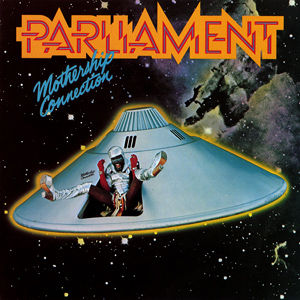
In 1993 Mark Dery coined the term Afrofuturism in his essay “Black to the Future.” However the aesthetic finds its roots in the works of African-American creators such as authors Octavia Butler and Samuel R. Delany, musicians like Sun Ra and George Clinton, and artists across various mediums. These pioneers challenged conventional narratives by blending themes of space exploration, advanced technology, and speculative futures with African heritage, mythology, and struggles for social justice. The aesthetic was later adopted by a range of artists in the 1970s, including Jimi Hendrix.
When Parliament released their album "Mothership Connections," lead singer George Clinton remarked, "We had black people in situations they never thought they would be in... I figured another place you wouldn’t expect black people to be was outer space."
Afrofuturism empowers Black individuals to envision their identities in both historical and futuristic contexts. This aesthetic movement delves into the possibilities of what Africa and the Black experience might have been like without colonization. It also reflects on how Black people across the diaspora and African homelands, with their diverse cultures, traditions, rituals, and aesthetics, may manifest in the future. It encapsulates the collective experience of being Black, existing, and flourishing in environments and eras that were not designed for black people.
Afrofuturistic Aesthetic In Modern and Contemporary Music Videos

Although the futuristic visuals featured in music videos from the 90s and 00s did not align with the lyrical themes, they effectively established an aesthetic tone and fostered an environment that enabled Black individuals to imagine themselves in alternate realities.


In 1995, Michael Jackson and Janet Jackson debuted their music video "Scream," which showcased the siblings aboard a spaceship. This iconic video would later inspire Busta Rhymes' "What's it gonna be" and Nicki Minaj's "Hard White" music videos, both of which featured a similar spaceship aesthetic in their backgrounds.
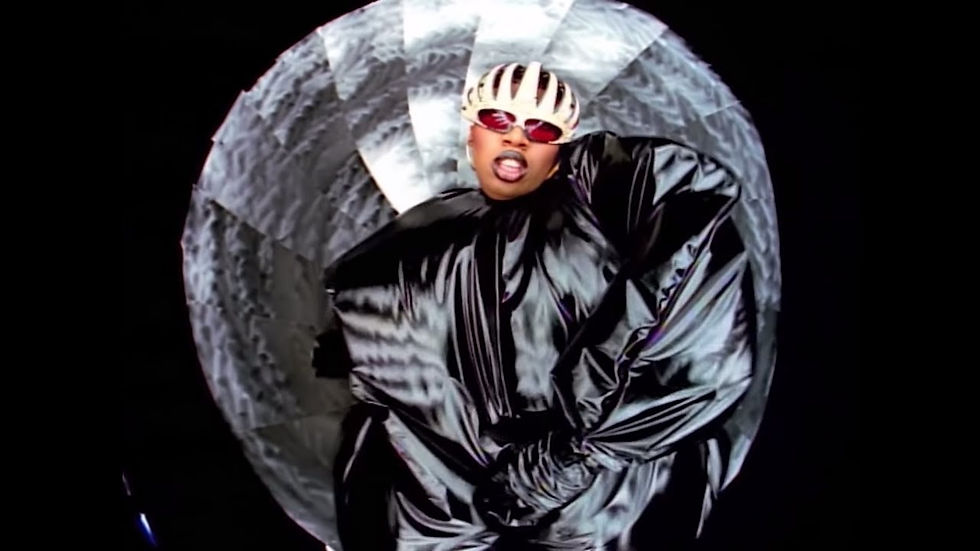
Discussing Afrofuturistic aesthetics in music videos, especially from the 90s and 00s, wouldn't be complete without mentioning Missy Elliott and Hype Williams. This dynamic duo collaborated numerous times to express their passion for Afrofuturistic visuals. Their journey began with Missy Elliott's debut single "Rain," where she sports a puffy leather suit against a sci-fi backdrop. The fishbowl camera shots creatively distort the imagery, amplifying the otherworldly elements of various scenes.
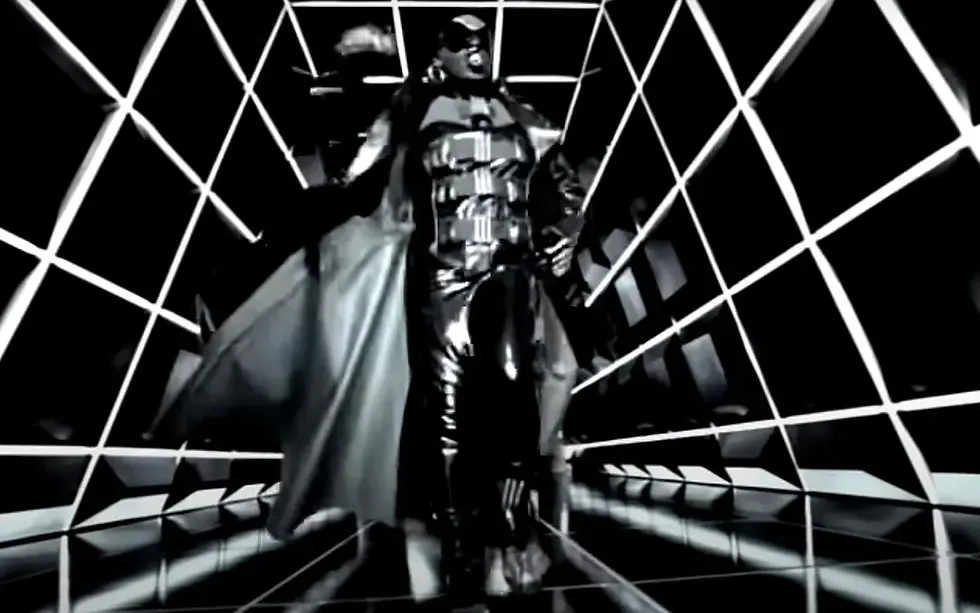
Missy’s sophomore album which featured her hit song “She’s A Bitch” contains sci-fi visuals. In the video Missy is dones an LED tracksuit which blends seamlessly into the electro-luminous backdrop and features futuristic sports cars. Missy Elliot and Hype Williams visuals have impacted the visual aesthetics of Future, Kanye West and Janelle Monae.

The afrofuturistic aesthetic plays a significant role in Janelle Monae's visual presentations. In her conceptual album series, Metropolis: The Musical Saga, inspired by the 1927 film "Metropolis," Monae portrays the character Cindy Mayweather. The narrative unfolds in a dystopian future where robots are subjected to enslavement, linking the storytelling to the black experience. Monae humanizes the androids, depicting them as emotional, vibrant, and creative, despite their societal oppression. Through her videos, she employs Afrofuturism to deliver insightful social commentary.

Afrofuturistic Aesthetic and Radical Black Resistance

The images depicted in Afrofuturism are deeply connected to the historical context of African-American experiences, including the legacy of slavery, segregation, and systemic inequality. The political nature of these visuals are dominant in apocalyptic or post apocalyptic music videos.
Post Apocalyptic Afrofuturistic Music Videos


In 2Pac’s “California Love” featuring Dr Dre, the visuals are inspired by the film Mad Max, a story based in a post-apocalyptic desert wasteland, where the protagonist encounters vicious motorcycle gangs, mutants, vengeance and driving. The imagery of black people existing in a dystopian desert landscape can be interpreted as the enduring spirit of the African American people and their ability to not only live but flourish in an oppressive american system.


Beyoncé's visuals for "Formation" are purposefully crafted to reflect the black experience in White America. She is portrayed in a post-apocalyptic, dystopian future, surrounded by water and standing on top of a police vehicle. Released in 2016, the song "Formation" and the visual album "Lemonade" emerged during the peak of the Black Lives Matter Movement. The imagery carries profound symbolism, as Beyoncé exists in this desolate water world atop a police vehicle, raising her fist in the air—a powerful representation of black empowerment.
Afrofuturistic music videos have consistently transformed the cultural landscape. They act not just as a medium for artistic expression, but also as impactful instruments for social commentary, delving into a vibrant array of identities and experiences. Afrofuturism will keep inspiring and innovating in the fields of music and visual culture—bridging the past, present, and future while celebrating Black creativity and imagination.


Comments