ROCK IS DEAD


Rock music dominated the music industry for decades. Rock is the music of rebellion, of cultural movements and bringing about the sense of identity amongst the youth of its time. However, Rock Is Dead, industry aficionados will tell you the multiple factors leading to the loss in influence and popularity of rock music, from the rise in popularity of hip hop and pop music to the way in which digital streaming has impacted the genre after all. While die-hard rock music lovers will tell you that rock music has not died and is in stasis and regale you with all the ways in which rock music has evolved to include women and people of colour in the genre. The overall inclusivity of the genre has been a wonderful thing to experience, but the loss of relevance, influence and popularity of rock music is directly linked to the social, economic and political climate of the time.
Rock Music As A Mirror
Rock music has always reflected the changing moods of society. Its evolution has been intertwined with shifting cultural norms, political unrest, and technological breakthroughs. The identity of the genre embodies rebellion, raw emotion, and counterculture movements; the social and political climates of the eras in which the genre emerged and dominated shaped its sound and spirit.

The Birth of Rock n Roll in the 1950s
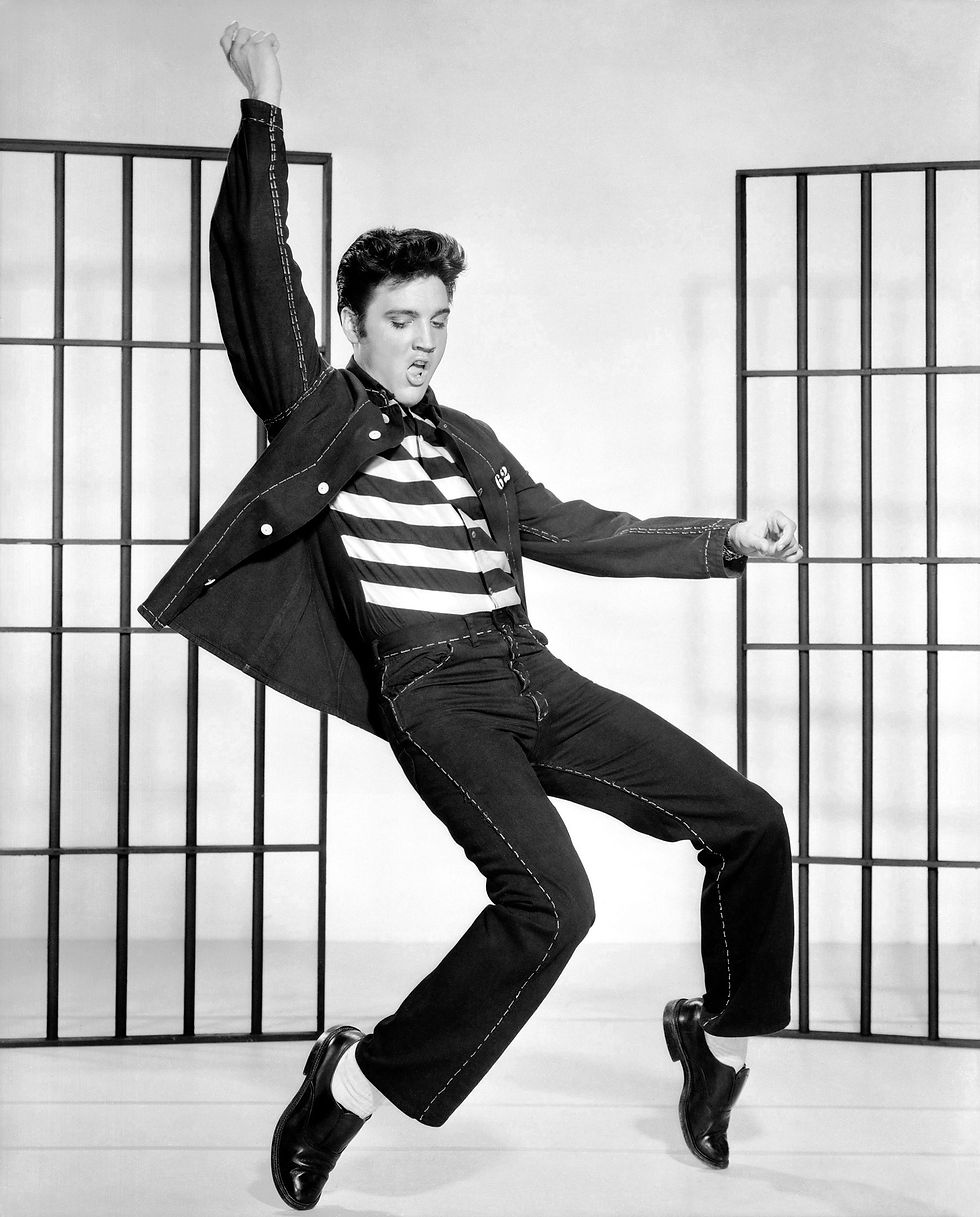
In the 1950s, rock and roll burst onto the scene as a fusion of rhythm and blues, country, and gospel. The post-World War II era brought about a mix of optimism and conservatism. Society was rebuilding yet clinging to traditional values, while the early Cold War environment was characterised by a pervasive fear of communism in the United States and a strict social order which provided a backdrop of tension. For the youth, rock was a breath of rebellious air, challenging the staid conventions of an older generation. Icons like Elvis Presley and Chuck Berry became symbols of a liberating, energetic force that quietly defied the norms of racial segregation and societal conformity.


The Counterculture Revolution of the 1960
The 1960s saw rock music become the anthem of a generation in flux. With the rise of the counterculture movement, artists such as Bob Dylan, The Beatles, and The Rolling Stones transformed rock into a tool for political and social protest. Amid the chaos of the Vietnam War, widespread civil rights activism, and a general questioning of established authority, rock music embraced experimentation in the form of folk rock to psychedelia. Concerts and festivals like the Monterey Pop Festival and Woodstock were not merely musical events but gatherings of a youth yearning for peace, love, and radical social change. This was a direct response to the turbulent political landscape and cultural conservatism of the previous decade.


The Diversification and Dissent of the 1970s
During the 1970s, rock splintered into diverse subgenres reflecting a society grappling with disillusionment and complex realities. Progressive rock, with its elaborate compositions, appealed to those seeking intellectual escapism during moments of economic downturn and after the lingering aftermath of the Vietnam War. Conversely, punk rock emerged as a raw, stripped-down response to both the perceived excesses of corporate rock and a political environment marked by scandals in the United States (think Watergate) and growing public distrust in authority. This era’s political and economic uncertainties fuelled a creative explosion, from the theatricality of glam rock to the defiant simplicity of punk rock, each channelling a distinct form of dissent and self-expression.


The Commercial Transformation of the 1980s
The 1980s brought a dramatic shift as visual presentation became a huge factor of the rock experience. With the advent of MTV, rock bands became image-makers while simultaneously being music-makers. This era saw the rise of glam metal, arena rock, and highly produced pop-rock tracks that capitalised on a commercialised aesthetic. Politically, the decade was heavily influenced by Cold War dynamics, with a conservative political wave in the United States and elsewhere exemplified by leaders like Ronald Reagan, which added an undercurrent of both patriotic fervour and nuclear anxieties. Rock music navigated these complexities by offering both escapist spectacles and subtle critiques of the socio-political tensions.

The Alternative Rock, Grunge and Social Disenchantment of the 1990s
As the millennium approached, rock music took a harder, more introspective turn with the rise of alternative rock and grunge. Bands such as Nirvana, Pearl Jam, and Soundgarden. This era captured the raw emotions and disillusionment of a generation facing the aftermath of the Cold War, economic recessions, and an over-commercialised media landscape. The gritty sound and honest lyrics of grunge articulated feelings of alienation and scepticism, which in essence was a stark departure from the slick, radio-friendly rock of the previous decade. This era saw the youth questioning authenticity in an era defined by rapid globalisation and emerging digital culture, thus setting the stage for a redefined musical narrative.


The War Protests, Anti-establishment and Class Struggles of the 2000s
Rock music in the 2000s continued its tradition of reflecting and reacting to political and social climates, although its influence had somewhat diminished compared to previous decades. While the genre remained a platform for protest and activism, it faced competition from hip-hop and pop in shaping public discourse. The themes that emerged in this era were post-9/11 reflections and war protests in which rock bands grappled with themes of fear, loss, and national identity. However, as the United States and its allies entered wars in Iraq and Afghanistan, many musicians became vocal critics of military intervention. Bands like Green Day openly opposed the Bush administration’s policies with albums like American Idiot (2004), which served as a blistering critique of war, media control, and political apathy. Rage Against the Machine, despite primarily being a 1990s band, saw continued influence in the 2000s as their politically charged songs remained relevant to issues like corporate greed, government surveillance, and systemic oppression. The financial crisis of 2008 led to growing frustration with economic inequality, and rock music remained a vehicle for expressing working-class concerns. Bruce Springsteen's Wrecking Ball (2012, though developed in the late 2000s) reflected economic hardships and struggles faced by ordinary Americans. There were also themes of globalisation and climate change with bands like Radiohead; through albums like Hail to the Thief (2003), they touched on political deception, environmental concerns, and corporate influence in governance.


The Digital Transformation of the 2010s to Present
In the 21st century, rock's traditional dominance in the mainstream has been challenged by the rise of digital media, which has redefined how music is produced, distributed, and consumed. While rock no longer monopolises the charts as it once did, its legacy endures through hybrid genres that blend rock elements with electronic, indie, and even hip-hop influences. The modern sociopolitical landscape, marked by issues like global terrorism, economic fluctuations, and debates on civil liberties, has given rise to a new wave of artists who use rock’s rebellious ethos to comment on contemporary challenges. The digital age has democratised music-making, allowing artists to experiment and respond to an increasingly interconnected and complex world, ensuring that rock remains a testament to the power of creativity and defiance.

These eras illustrate not just the evolution of a musical genre but also how rock music has continuously absorbed, reflected, and sometimes even shaped the political and social currents of its time. It invites us to ponder: as new challenges and technologies reshape our world, what new rhythms and messages will emerge from rock’s restless spirit? Perhaps next, we’ll see a renaissance of protest rock informed by issues such as climate change or social justice in our hyper-connected, digital era. The spirit of rock is waiting for the right political, social and economic climate to give birth to a new sound that will reflect the rebellious voice of its time.


Comments